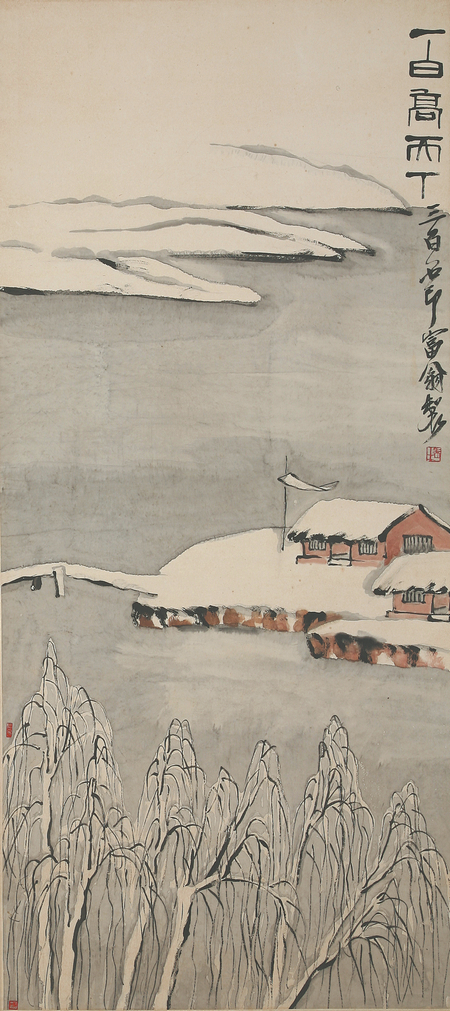
Freehand Brushwork
Overview
Freehand brushwork, known as "xieyi" (写意) in Chinese, is a traditional style of Chinese painting that emphasizes the expression of the subject's essence over detailed accuracy. This art form is characterized by its loose, expressive brushstrokes that communicate the spirit and emotion of the subject rather than its precise likeness. Originating from literati paintings, this technique allows artists to convey their personal interpretations and emotional responses, creating an intimate connection between the artist, the subject, and the viewer.
Historical Context
The historical roots of freehand brushwork can be traced back to the literati painters of ancient China, who held that painting should be a vehicle for personal expression rather than mere reproduction of visual reality. Notable among these artists was Xu Wei (1521-1593) of the Ming Dynasty (1368-1644), who is celebrated for his bold and unrestrained use of ink and brush. Xu Wei's philosophy was that all plants and subjects, irrespective of their status, were worthy of depiction. In his representative work "Miscellaneous Plants," he broke with tradition by painting wildflowers such as lentils and pumpkins with dynamic ink washes, showcasing his belief in capturing the spirit of his subjects rather than their exact appearance.
Technique and Philosophy
Freehand brushwork is marked by its fluidity and emphasis on capturing the qi or life force of the subject. Artists often integrate calligraphy into their paintings, allowing the energy and rhythm of the ink to infuse their work with vitality. Unlike meticulous painting techniques that focus on intricate detail, freehand brushwork relies on broad, expressive strokes that can suggest movement and emotion. This technique is deeply connected to the artist's internal state and philosophy, often reflecting their thoughts, emotions, and experiences.
Cultural Significance
Throughout history, freehand brushwork has been a medium for cultural introspection and expression. It has been a way for artists to engage with their heritage while also innovating and pushing the boundaries of traditional Chinese art. The interaction between freehand brushwork and Chinese cultural icons, such as calligraphy and poetry, underscores its importance as a conduit for cultural values and philosophies.
Contemporary Influence
In modern times, freehand brushwork continues to inspire artists globally, influencing both traditional Chinese painters and those in the international art community who seek to blend Eastern and Western art forms. Renowned artists like Qi Baishi and Wu Guanzhong have expanded the reach of freehand brushwork, integrating it with modernist and impressionist movements to create new, hybrid styles that bridge cultural divides.
Key Artists and Works
Xu Wei (1521-1593): Known for his pioneering work in freehand brushwork, Xu's art is celebrated for its boldness and emotional depth. His piece Miscellaneous Plants is a seminal example of his approach, depicting a variety of plants in a dynamic and expressive manner.
Qi Baishi (1864-1957): A master of traditional Chinese painting, Qi Baishi is renowned for his freehand brushwork in depicting shrimps with vividness and simplicity, capturing their spirit rather than their form.
Wu Guanzhong (1919-2010): Wu's integration of Western modernism with Chinese brushwork has left a significant impact on the art world. His works are noted for their vibrant use of color and abstraction, marrying the expressive strokes of freehand brushwork with Western artistic sensibilities. Article reference1. Chinese artist showcases traditional paintings in New York. chinadaily.com.cn. 20242. Reputed artist believes all plants are created equal. chinadaily.com.cn. 20223. 'Century Masters' season 2 put online in five foreign languages. chinadaily.com.cn. 20204. Companions in color: lifelong alliance forges duo's vivid styles. chinadaily.com.cn. 2018Photo Gallery(3 pictures)CategoriesArtsTagChinese PaintingRelatedQi BaishiFlower and Bird PaintingCatalogue1. Overview2. Historical Context3. Technique and Philosophy4. Cultural Significance5. Contemporary Influence6. Key Artists and Works- - - []








